How to choose a robot vacuum: the 6 things that matter
01
Navigation is the real difference
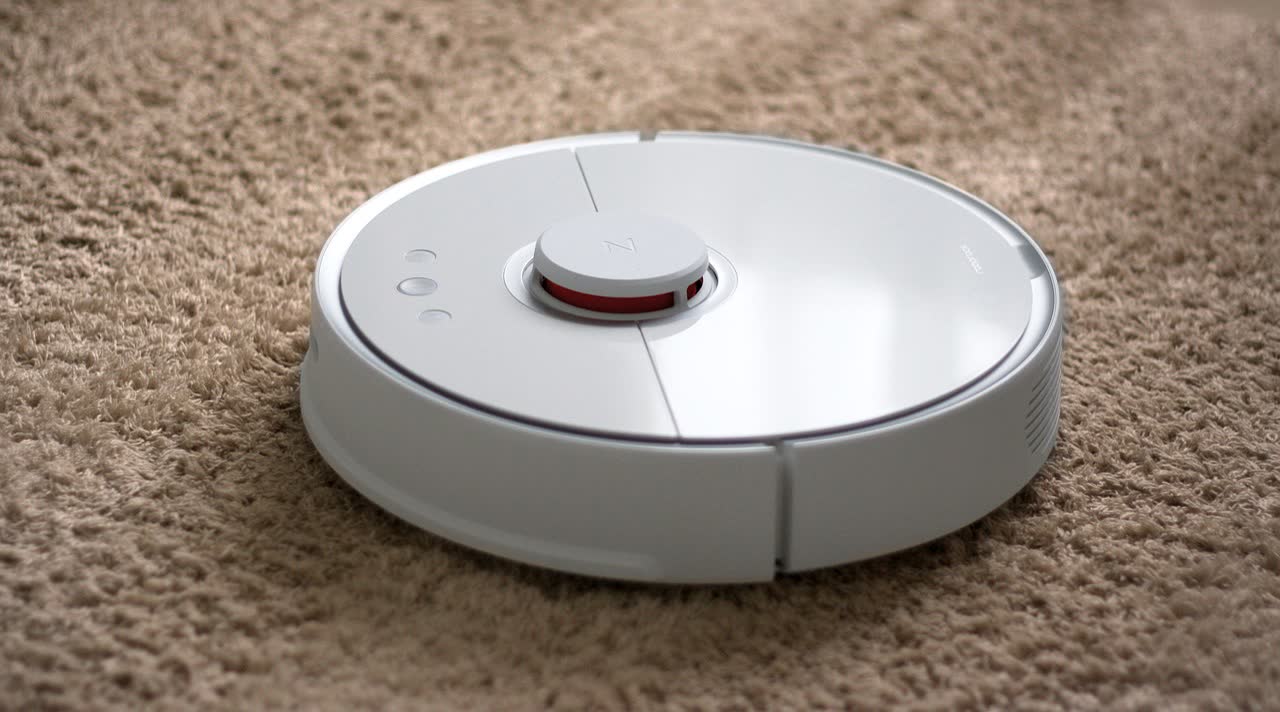
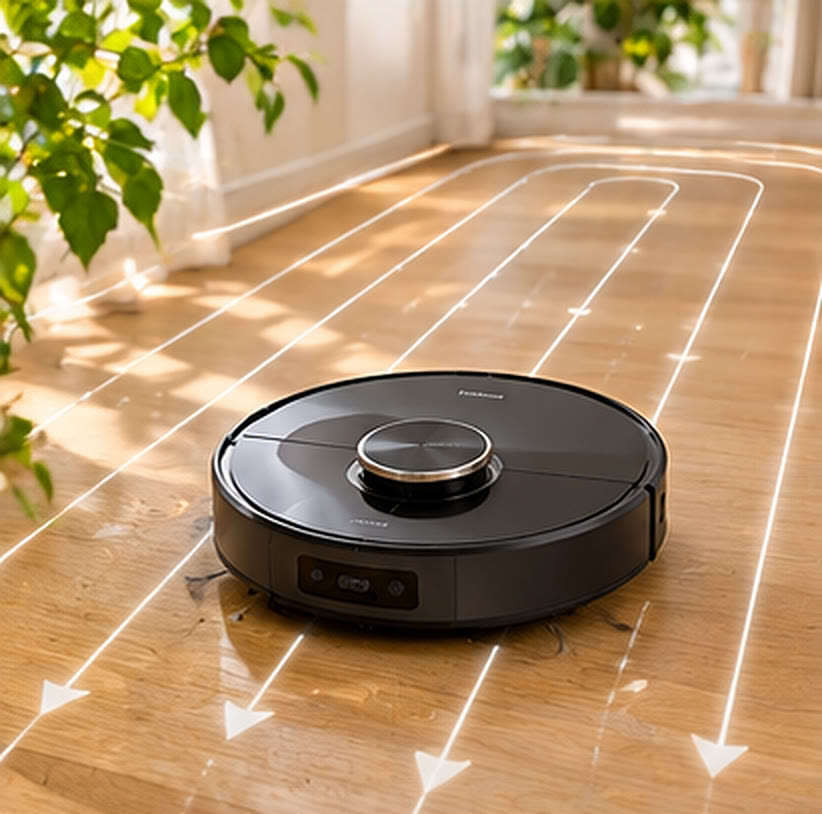
LiDAR (the small tower on top) maps your home and cleans in neat rows, even in the dark. Camera navigation is smart too but needs light. Random “bump & go” models are cheaper but miss spots and take longer.
💡 Want no-go zones (kids’ toys, pet bowls)? You need mapping: LiDAR or camera.
02
Match suction to your floors
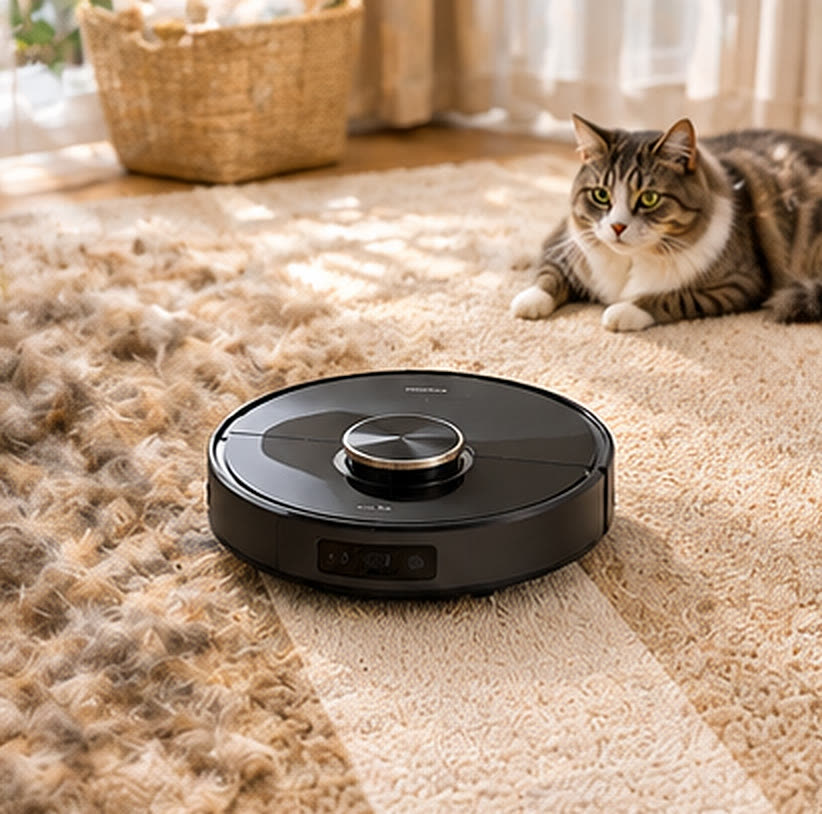
A higher suction number (in Pa) isn’t always worth paying for. Mostly hardwood or tile? Mid-range suction is enough. Carpets or pet hair? Go higher and look for automatic carpet boost.
💡 Long hair at home? Choose rubber or “anti-tangle” brushes: no more cutting hair off the brush every week.
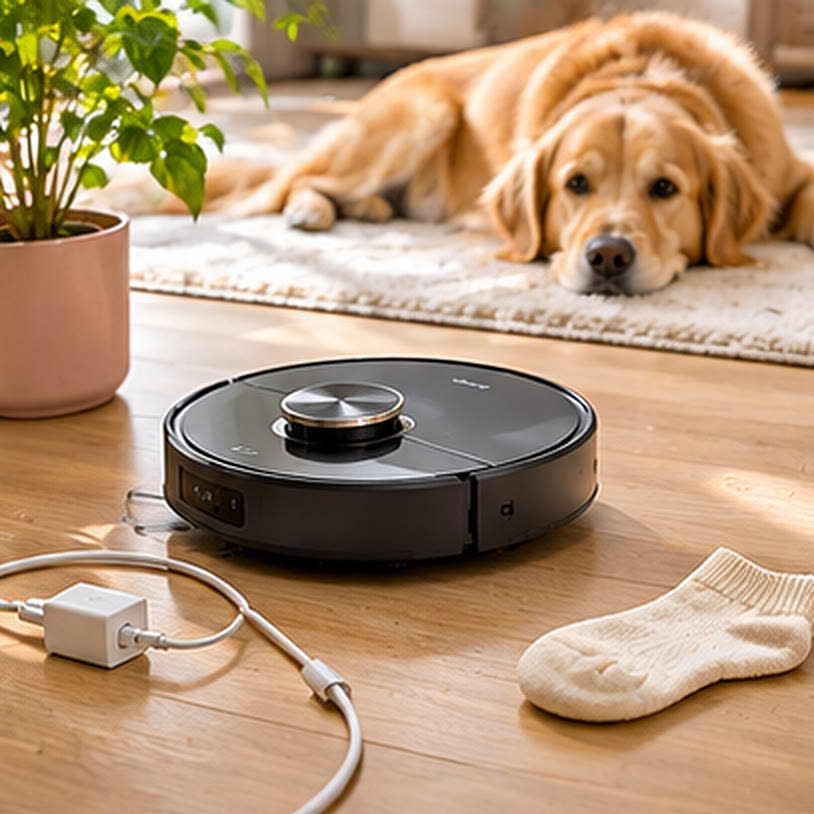
Cables, socks, kids’ toys, pet accidents… Basic models only sense walls and stairs. If your floor isn’t always clear, look for AI or camera-based obstacle avoidance.
💡 Read reviews from pet owners: they tell the truth about this feature.
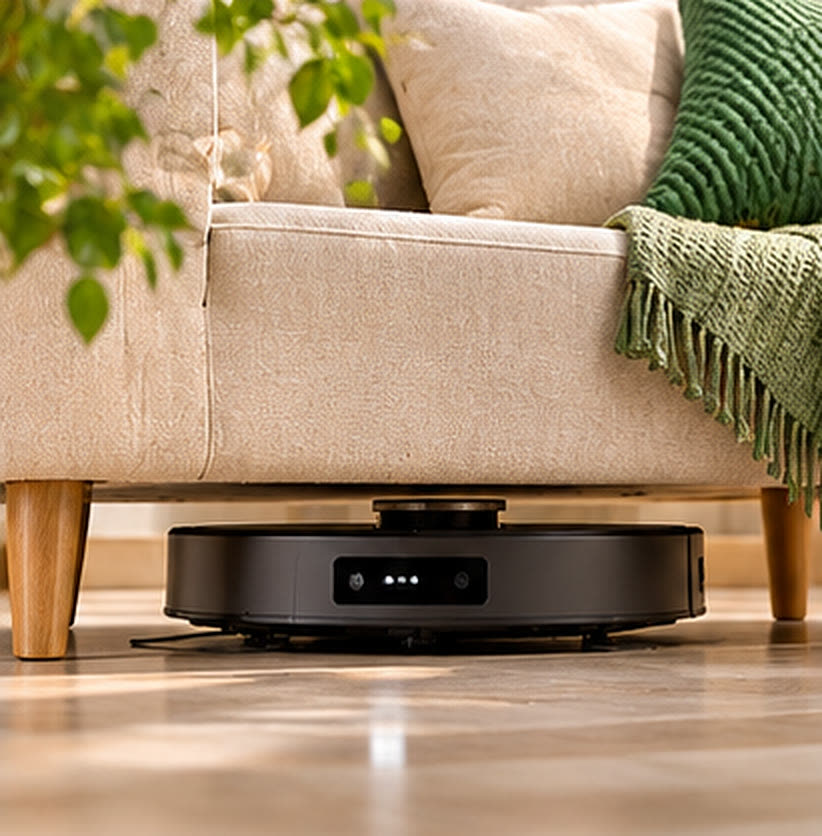
Measure the space under your sofa and bed, then compare it with the robot’s height. Check the maximum threshold it can climb: door sills, rug edges.
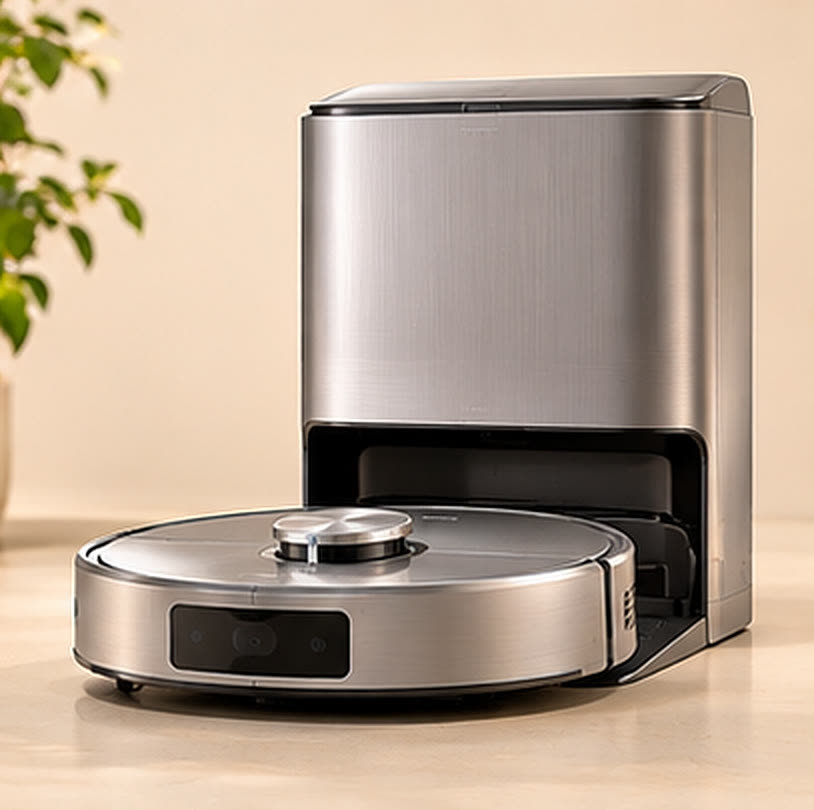
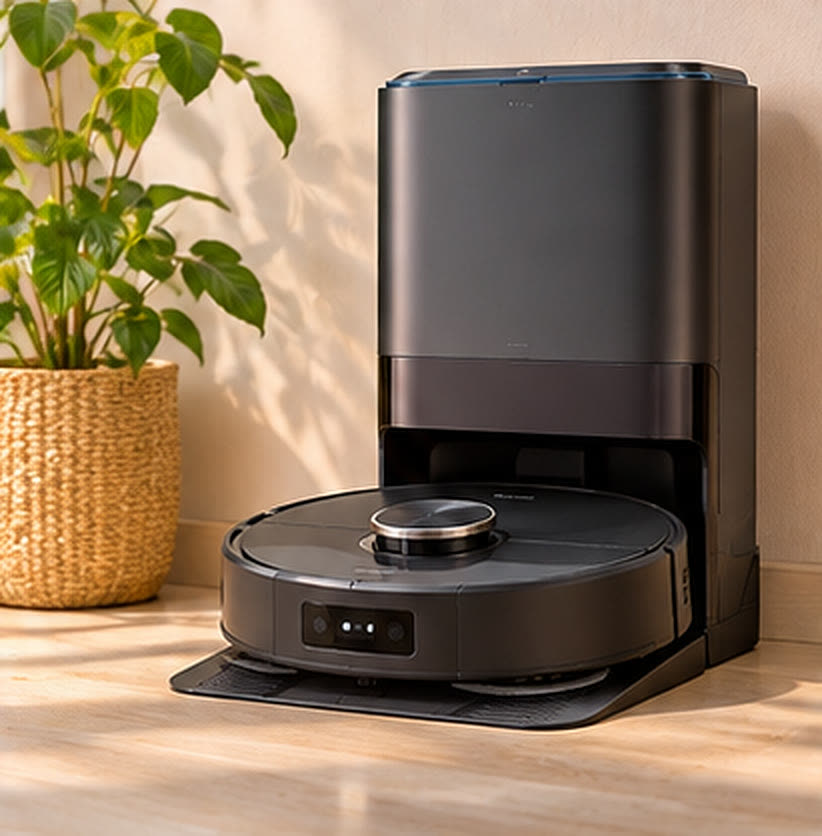
💡 Docking stations need free space around them: check the dimensions before you buy.
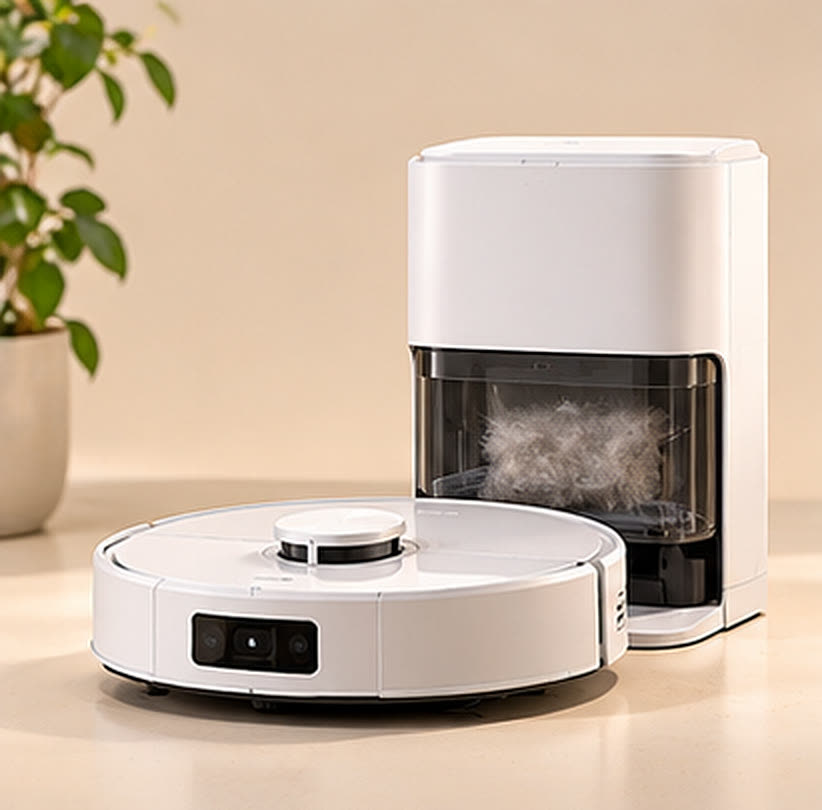
You empty a bag every few weeks instead of a small bin every day. A real plus if someone at home has allergies, since dust stays sealed in the bag.
💡 Check the price and availability of replacement bags.
06
Mopping? Read this first
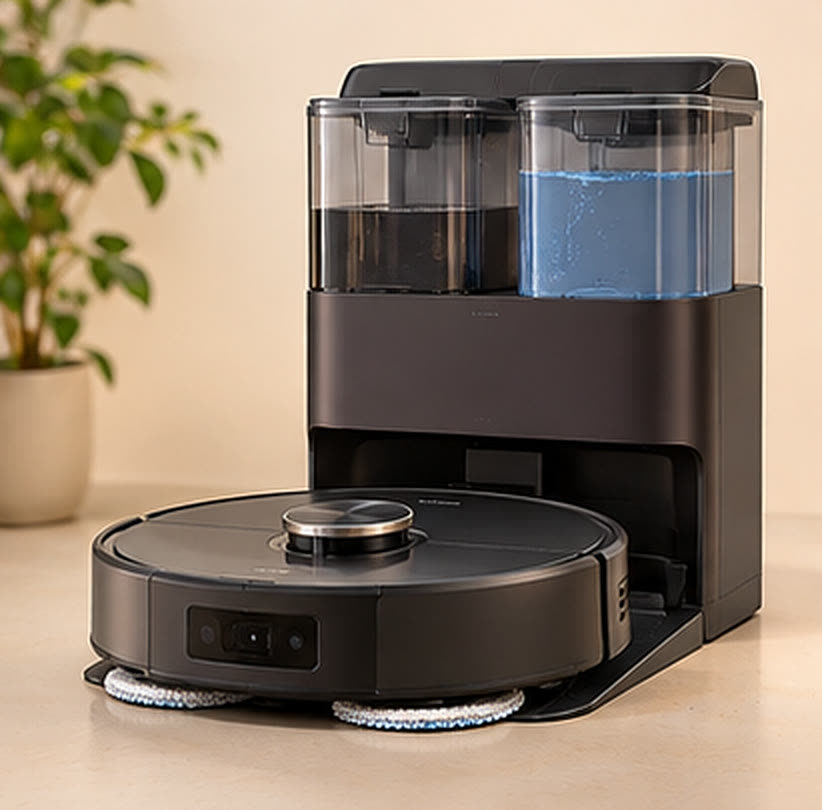
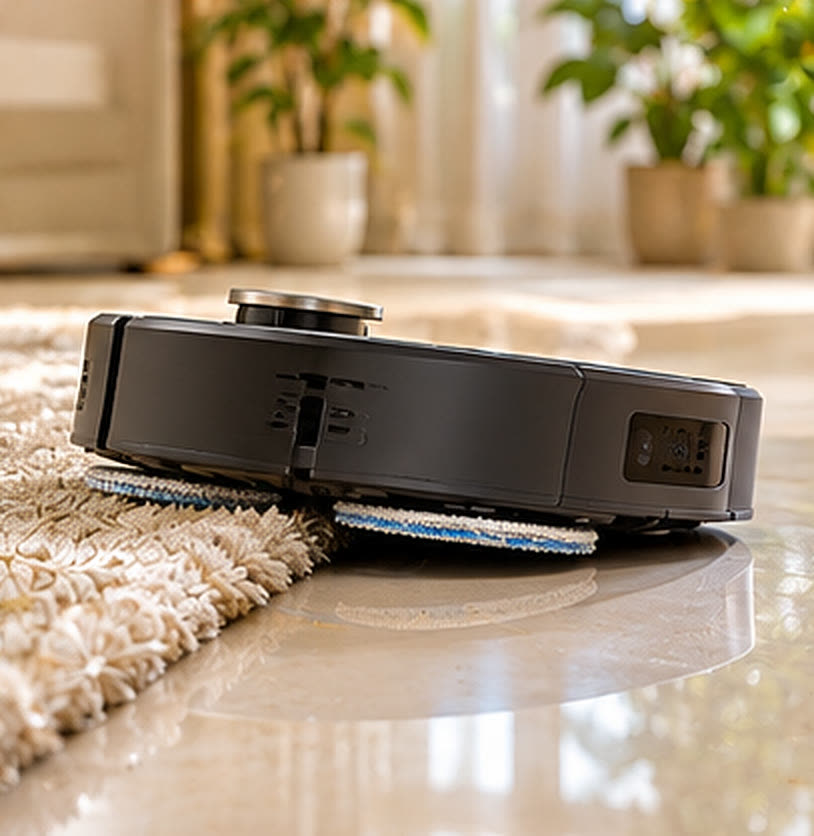
A mop that stays down will wet your rugs. Choose a robot vacuum and mop that lifts its mop on carpets, or that can be set to avoid them.
💡 Washing and drying stations reduce odors and maintenance.
Robot vacuum FAQ
What is the best robot vacuum for pet hair?
Look for strong suction with automatic carpet boost, rubber or anti-tangle brushes, and AI obstacle avoidance to steer around pet accidents. In our picks, the eufy HydroJet (best overall) and the Roborock Saros 10R (premium) are the strongest fits for homes with pets.
LiDAR or camera navigation: which is better?
LiDAR maps your home accurately and works in the dark. Camera navigation can also recognize objects but needs light. The best models combine mapping with a camera or 3D sensors for obstacle avoidance.
Is a self-emptying robot vacuum worth it?
Yes, for most homes. You empty a sealed bag every few weeks instead of a small bin every day, which is cleaner and better for allergies. Check the cost of replacement bags.
Do robot vacuums work on thick carpet?
Most handle low and medium-pile carpet well. For thick carpet, choose higher suction with carpet boost, and a mop that lifts or a carpet-avoid setting if the robot also mops.
How do I choose a robot vacuum that fits under my furniture?
Measure the gap under your sofa and bed and compare it with the robot’s height on the product page. Also check the maximum threshold it can climb for door sills and rug edges.